

Restaurant Peak Hour Call Handling That Works
Restaurant peak hour call handling becomes a revenue problem the moment dinner rush callers hear busy signals, wait too long, or reach a team member who is already juggling the counter, delivery tablets, and the make line. For multi-location restaurant chains, the goal is not simply to answer more phones. It is to capture order intent consistently, keep store labor focused on service and food quality, and route each call to the right outcome without slowing the kitchen.
Want a restaurant phone workflow built for rush-hour demand? Explore BluIP restaurant AI solutions.
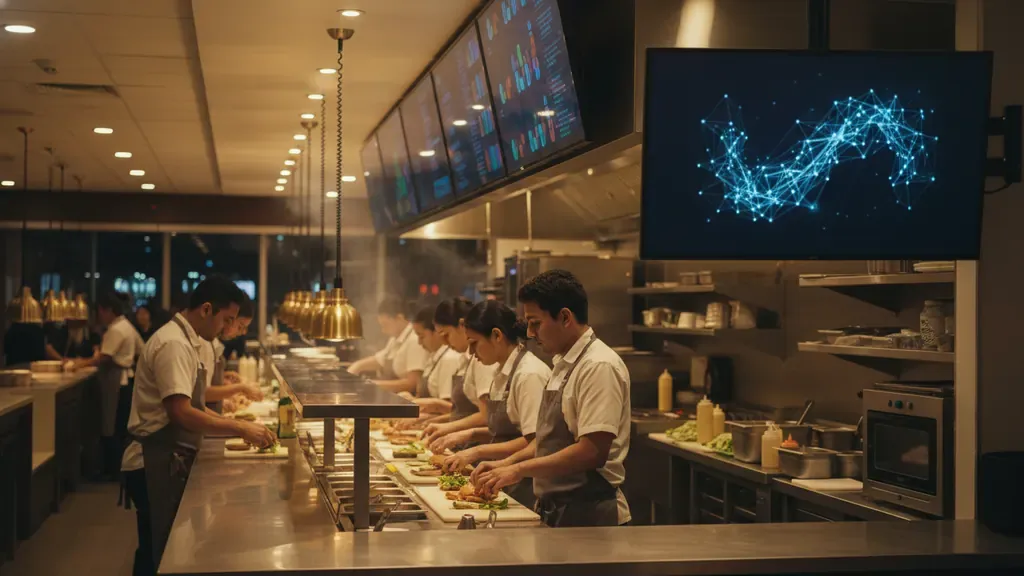
What breaks when peak-hour calls outgrow the store
A phone channel can look manageable at 3 p.m. and become chaotic at 6:15 p.m. Peak demand concentrates into short windows, often while in-store traffic, delivery orders, and pickup handoffs rise at the same time. A single store associate can take only one complex order at once. A chain cannot count on every location having an extra employee available precisely when phones surge.
That mismatch creates four common losses:
- Unanswered order intent: Calls roll over, hit voicemail, or repeat until the guest chooses another restaurant.
- Interrupted execution: Frontline staff step away from the counter, expo station, or kitchen line to answer routine questions.
- Inconsistent ordering: Noise, pressure, and menu complexity raise the chance of missed modifiers or unclear pickup details.
- Limited visibility: Operators see sales totals, but may not see how many calls arrived, why callers abandoned, or what questions repeatedly consumed labor.
BluIP frames the restaurant opportunity around capturing and converting peak revenue calls while streamlining order processing. That angle matters. A phone platform should not only reduce ringing. It should help more qualified demand reach a usable next step.
What is restaurant peak hour call handling?
Restaurant peak hour call handling is the operating model for answering, routing, automating, and measuring high-volume guest calls during a restaurant’s busiest order windows. It combines capacity planning, call routing rules, AI voice ordering, escalation paths, and restaurant system integrations so callers can place orders or get answers without overwhelming store teams.
For chains, the model needs to work at three levels:
- Guest level: Callers receive a fast, clear path for orders, hours, locations, order status, and common questions.
- Store level: Employees handle exceptions and hospitality moments rather than every routine phone interaction.
- Enterprise level: Operations leaders see demand patterns, bottlenecks, and location-by-location performance signals.
Why phone surges are different from steady call volume
A monthly call total can hide the real operational stress. One thousand calls spread evenly across a week are not the same as a concentrated surge during Friday dinner. Peak windows expose concurrency, which is the number of customers attempting to reach the restaurant at the same moment.
That is why restaurant chains need to plan around peak concurrency, not only average daily calls. Key questions include:
- How many calls arrive during the busiest 15-minute interval?
- Which share are new orders, order changes, location questions, or service issues?
- How quickly should a phone order reach the POS or store workflow?
- Which exceptions should transfer to staff instead of staying automated?
- Do transfer rules change by location, hour, holiday, or staffing level?
The answers determine whether a location needs basic routing, a more capable AI virtual agent, or a tighter connection between voice ordering and the restaurant’s order system.
Need the AI layer behind a stronger rush-hour call flow? See AIVA Connect.
Seven practical strategies for restaurant peak hour call handling
1. Separate orders from general questions early
The first routing decision should reduce unnecessary competition for staff attention. Callers trying to place an order have a different urgency than callers asking about store hours, directions, or menu basics. A clear automated greeting or AI virtual agent can identify intent early and guide each guest appropriately.
This gives order calls a direct path while routine questions stop interrupting the kitchen. It also creates cleaner reporting. Leaders can see whether the phone channel is order-heavy, support-heavy, or full of questions that should be answered earlier in the digital journey.
2. Use AI voice ordering for high-frequency menu requests
Peak-hour automation must fit restaurant reality. BluIP’s restaurant solution describes AIVA Connect handling complex orders, substitutions, special requests, and nutritional information, with POS integration as part of the operating model. That is materially different from a generic voicemail tree.
An AI voice ordering experience should be designed to:
- Capture core item selection and modifiers clearly.
- Confirm pickup or fulfillment details.
- Handle repeatable questions that slow human order taking.
- Escalate when the caller asks for something outside the approved workflow.
- Support the order process without inventing unavailable menu options.
For chains evaluating this approach, a closely related resource is BluIP’s guide to POS integration with AI voice ordering, which explains why call capture and kitchen workflows need to stay connected.
3. Design escalation rules before rush starts
Automation works best when operators define what should not be automated. Large catering inquiries, unusual allergy questions, payment exceptions, guest recovery, and unresolved order status issues may deserve a human path. The mistake is waiting until a rush window to decide that path.
Create escalation logic around:
- Intent, such as complaints, manager requests, or catering needs.
- Confidence, such as when the system cannot confirm a requested item.
- Value, such as large orders that warrant direct staff attention.
- Operating conditions, such as whether a location is open, paused, or running a restricted menu.
This keeps the automated channel focused and gives staff fewer, better-qualified interruptions.
4. Sync phone ordering with store operations
Restaurant peak hour call handling fails when the call journey and fulfillment workflow drift apart. If a guest can complete a phone order but the kitchen receives incomplete information, the phone system solved the wrong problem. If an employee must retype every detail under pressure, the bottleneck simply moved.
BluIP positions restaurant system integrations as a way to streamline order processing and increase efficiency. In practice, restaurant leaders should map the full handoff:
- Caller request
- Menu item and modifier capture
- Order confirmation
- POS or fulfillment handoff
- Store visibility
- Exception management
Every step needs an owner. If a handoff cannot be validated, treat it as a design gap before rolling the flow across more stores.
5. Protect staff focus during the revenue window
A restaurant does not win dinner rush by answering every low-value interruption manually. It wins by assigning human attention where it changes guest outcomes. AI can answer basic questions, route common intents, and handle order workflows that are suited to automation. Employees can then concentrate on guests in front of them, food quality, pacing, and true exceptions.
BluIP’s restaurant research references Big Mamas & Papa’s Pizzeria, where Marketing Director Wayne Grigorian said productivity increased by a very wide margin, especially during peak hours, and incoming orders could average $800 in revenue per hour per location. That observation makes the business case concrete. Peak-hour phone dependability is tied to top-line opportunity, not only convenience.
6. Measure abandonment, order intent, and transfer patterns
Store leaders need more than a general impression that phones feel busy. A better rush-hour scorecard tracks where revenue leaks and where automation needs adjustment. Useful measures include:
- Inbound call volume by location and time block.
- Percentage of calls resolved without staff transfer.
- Order-intent calls that complete the desired workflow.
- Abandoned calls or failed transfers.
- Top repeated questions by store or region.
- Escalations caused by menu, hours, or order-status confusion.
That data helps operators identify whether a location needs different prompts, better hours messaging, menu cleanup, or staffing changes. It also makes the ROI discussion sharper than a simple “calls answered” metric.
7. Pilot by peak-hour problem, not by store count
A pilot should be designed around the specific operating pressure the chain wants to remove. One group may lose orders during Friday dinner. Another may struggle with lunch lines plus phone orders. Another may need consistent responses across a franchise footprint. Start with the problem definition, then choose stores that expose it clearly.
A practical pilot plan can include:
- Select representative locations with known rush-hour call pressure.
- Baseline inbound calls, missed calls, order-intent volume, and common questions.
- Define the automated intents, transfer rules, and success criteria.
- Connect voice workflows to approved restaurant systems where appropriate.
- Review transcripts, escalations, and store feedback after launch.
- Expand only after the busiest windows perform reliably.
Ready to discuss a restaurant voice strategy? Request a BluIP demo.
A peak-hour call handling scorecard for restaurant chains
| Question | Why it matters | Operational signal |
|---|---|---|
| Can callers place orders during the busiest windows? | Peak calls often represent immediate purchase intent. | Order completion and abandonment trends. |
| Are routine questions pulling staff away? | Low-complexity calls consume scarce rush-hour labor. | FAQ volume and self-service resolution. |
| Do order details transfer cleanly? | Incomplete handoffs create rework and guest frustration. | Exception rates and store corrections. |
| Are escalation rules explicit? | Human attention should go to higher-value or riskier interactions. | Transfer reasons and manager interventions. |
| Can leaders compare stores consistently? | Chains need repeatable learning across locations. | Location-level trend reporting. |
How this topic differs from a general AI voice ordering guide
This article focuses on the operational moment when call demand spikes and restaurants risk missing orders. A broader AI phone ordering guide may explain restaurant automation, benefits, and ROI across the entire day. The peak-hour lens is narrower. It prioritizes concurrency, routing, escalation, staff focus, and measurement during the windows where lost calls can have the greatest immediate sales impact.
For readers who need the wider restaurant automation view, BluIP also covers AI voice ordering for restaurants and restaurant AI for efficient operations. Those resources complement, rather than replace, a rush-hour call handling plan.
Common mistakes restaurant chains should avoid
- Measuring averages instead of rush windows: Average volume can conceal the exact overload period.
- Automating without escalation: Guests need a defined path when the request is unusual or high-value.
- Ignoring store feedback: A technically successful call flow still fails if store teams cannot fulfill what arrives.
- Skipping integration planning: Phone capture without order workflow alignment creates manual rework.
- Treating every location identically: Menu mix, staffing, hours, and call patterns can vary meaningfully.
Frequently asked questions about peak-hour restaurant calls
How can restaurants reduce missed phone orders during peak hours?
Restaurants can reduce missed phone orders by routing order intent quickly, automating repeatable questions, using AI voice ordering where appropriate, and defining escalation paths for exceptions. The system should be measured during the busiest windows, not only across full-day averages.
What should an AI restaurant phone system handle?
An AI restaurant phone system can handle structured order-taking steps, common menu or hours questions, basic order guidance, and routing to the correct store workflow. Human escalation should remain available for edge cases, high-value requests, complaints, and situations where the system cannot confirm a valid next step.
Why does POS integration matter for phone ordering?
POS or restaurant system integration matters because the value of a captured call depends on a clean fulfillment handoff. If staff must re-enter details during dinner rush, the restaurant still absorbs much of the workload the automation was meant to remove.
How should a restaurant chain test a peak-hour call strategy?
Start with representative locations that already show rush-hour pressure. Capture baseline call patterns, define the highest-value intents, test routing and handoffs, gather store feedback, and compare performance during matching time windows before expanding.
Build phone capacity around the rush, not the average
Restaurant peak hour call handling is ultimately a capacity and experience decision. Guests call because they want an answer, an order, or a fast next step. Chains that prepare for concurrency, automate repeatable intent, integrate the handoff, and measure exceptions can protect more opportunities without forcing store employees to abandon the work directly in front of them.
BluIP’s restaurant solutions and AIVA Connect are built around that practical operating problem: intelligent automation, communications infrastructure, and integration support that help restaurants capture demand during the moments it matters most.
If your locations are losing focus or orders when phones surge, request a BluIP demo to review a better restaurant call handling approach.