
A slow response to a guest call can turn a luxury stay into a source of frustration. When front desk phones ring without an answer, guests feel ignored and staff feel overwhelmed. A precise hotel call routing strategy solves this by sending each call to the right person at the right time.
Explore BluIP Cloud PBX for Hospitality to give callers a faster path to the right hotel team.
Hotel call routing is a smart system that sends guest and staff calls to the right team based on set rules. By using data from a Property Management System (PMS). Hotels can identify guests quickly and send their questions to front desk staff, housekeeping, or the concierge without manual moves. This tech cuts long hold times and makes sure that quick needs, such as security or room service, get fast help. Good setup of these systems is key because IT integration is essential for hotels to meet guest happiness goals and keep service high. When used well, auto routing handles simple tasks while letting people focus on deep guest needs, creating a fast and smooth work place for any hotel size.
A hotel must have a clear plan for every new call to keep guests happy and work smooth. Knowing why hotel call routing directly affects guest service is the first step toward making a better phone model. The path begins with
Why hotel call routing directly affects guest service
Every call to a hotel is a chance to help a guest. If a call rings for too long, the guest may feel ignored. Good hotel call routing makes sure every call goes to the right place fast. This keeps guests happy and helps your team stay on track. When a guest can get an answer in seconds, they feel valued and well cared for. This simple step can change how people view your brand.
Bad routing often leads to too many transfers. If a guest has to talk to many people to get one answer, they will get annoyed. A smart system cuts these rates. It finds the right person on the first try. This helps the hotel run better and saves time for everyone on the team. It is a win for the guest and a win for your staff.
Faster help for every guest
Guests want answers right away. They might need more towels or want to book a table for dinner. If they have to wait on hold, their mood can drop. Smart tools help hotels meet their goals for guest happiness. Research shows that integrating new tech is key to making guests glad they chose your hotel. When calls go to the right desk at once, guests get help without the wait.
Using hotel VoIP call routing features lets you set rules for each call. You can send room service calls to the kitchen and booking calls to the sales team. This stops the front desk from being a middleman. It speeds up the whole process for everyone. Staff can do their jobs better when they only get calls they can actually handle.
Better service during busy times
Hotels are busy places. There are times of day when many people call at once. Peak check-in hours can be very hard on a team. If your staff is busy with a line of guests, they might miss a phone call. Missed calls lead to lost sales and unhappy guests. A strong hotel call routing plan solves this by sharing the load. It can send calls to other staff or an AI helper when the main desk is full.
- Calls go to back-office staff when the front desk is busy.
- Guests get an AI helper for simple facts like pool hours or check-out times.
- No guest stays on hold for more than a few rings before getting help.
- High-priority calls from on-site guests get moved to the front of the line.
More time for face-to-face service
Your front desk team has many jobs. They check people in, handle keys, and give local tips. Taking too many calls makes it hard to focus on the guests in the lobby. By automating guest call routing, you take the pressure off your staff. The system can handle common questions. This lets your team give their full focus to the guests standing right in front of them in the lobby.
When the front desk is not tied to a phone, they can provide a higher level of service. They can look guests in the eye and give them their full time. This leads to better reviews and more repeat stays. A quiet, calm lobby feels more high-end than one where phones are ringing all the time. Proper routing turns a loud desk into a peaceful place for your guests.
How should a hotel design its call routing strategy?
A hotel should design its call routing strategy around caller intent, department ownership, time of day, priority, overflow, and escalation. Each route needs a named owner and backup path so reservations, housekeeping, maintenance, and guest-services calls reach an accountable team without returning to the front desk.
A strong plan for your phone lines helps your staff work well. It also makes sure your guests get help fast. You need to map out where each call should go based on what the guest needs. This way, a person who wants a clean room does not call the front desk. They reach the right team at once. This saves time for all. Using an intelligent call routing strategy keeps the desk free for guests who are standing in the lobby. It also helps the hotel meet its goals for guest happiness.
Map guest needs to the right team
First, you must look at why guests call your hotel. Most calls are about a few things. These may be room service, fresh towels, or bills. You should group these needs into sets. Then, you can pick a team to handle each set. Say a guest wants to book a room. That call should go to the sales team. A guest with a broken sink should go to the repair team. When you map these paths, you stop staff from having to move calls by hand. This makes your whole hotel run with less stress.
You should also think about the time of day. Some teams may be small at night. Your plan must account for this. You can set rules that change when the sun goes down. At night, most calls could go to one main desk. Or they could go to an AI tool that can answer basic facts. This keeps your night staff from being too busy. It also makes sure guests get the facts they need at any hour.
Set clear rules for each call
Rules tell your team who owns each task. Each team should know which calls they must take. You also need a back-up plan for when a team is busy. This is often called a fail-safe. If the clean-up team is busy, the call could ring a lead desk. Or it could go to a tool that takes a message. Clear rules mean you lose fewer calls. It also means guests do not have to wait for a long time on hold. High hold times hurt your brand and make guests feel ignored.
Your team should also have the right tools to take these calls. If a staff member is on the move, they may need a mobile app. This way, they can take a call from a guest while they are in a hall or a guest room. This speeds up your work and helps guests get what they need. A fast reply is one of the best ways to earn a good review from a guest.
- List all the reasons a guest might call your hotel for help.
- Group these needs into types like food, clean rooms, or bills.
- Choose which staff members will take each type of call.
- Set up advanced hotel call routing to send calls to those teams.
- Pick a back-up plan for when a team cannot take a call.
- Connect your phone system to your guest data to see who is calling.
- Look at your call data each week to see which rules work best.
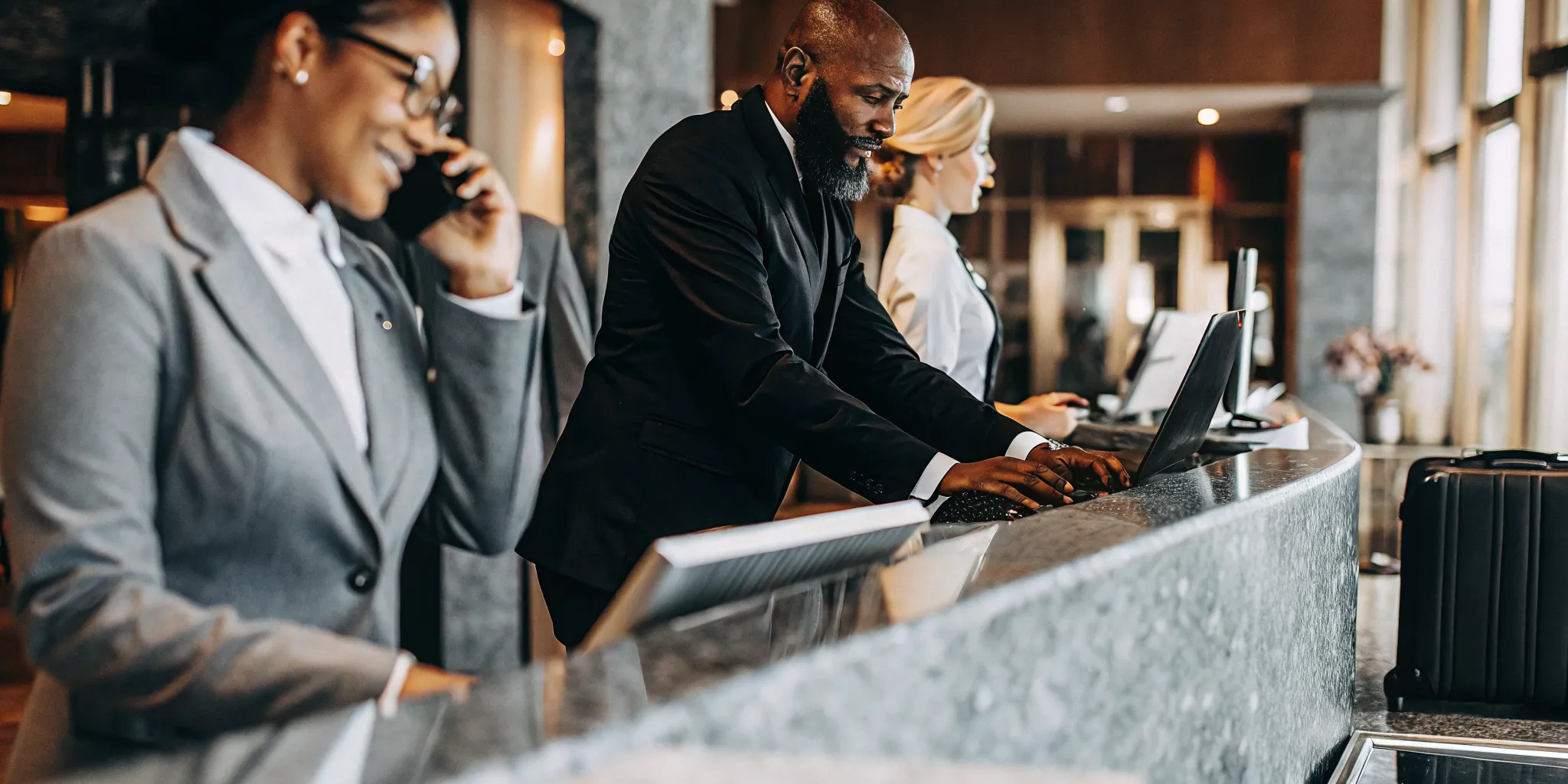
A single-property hotel call flow example
Managing guest calls at one hotel needs a clear plan to avoid long hold times. A smart hotel VoIP call routing features setup helps your team handle many tasks at once. It starts with a warm greeting and moves through steps to find the right staff fast. Using the right tech is key to keeping guests happy.
The first greeting and choice
When a guest calls, they first hear an automated greeting. This automating guest call routing tool gives the caller options for the front desk or room service. It cuts down on manual work for staff. This first step helps group callers so they get help from the right person right away.
Studies show that well-built systems have a big impact on the overall hotel guest experience and satisfaction. If a guest can find what they need in one step, they feel more valued. Simple menus keep the process fast and clear for everyone.
Routing to the right department
Once a guest picks an option, the call goes to a specific group. For example, a request for towels goes to housekeeping. This intelligent call routing strategy ensures the front desk stays free for new check-ins. It stops the desk from becoming a bottleneck for all needs.
Smart tools can also look at guest data from a phone system link. This lets the team see the guest name and room number as the call rings. This personal touch makes the service feel high-end. It also saves time because the staff does not have to ask for basic details.
Managing busy times and overflow
During peak hours, too many calls may come in at once. An advanced hotel call routing plan includes an overflow path. If the front desk is busy, the call can go to a back-office team or an AI tool. This means guests never wait on hold for long periods.
If the first group does not answer in ten seconds, the system sends the call to the next person. This prevents missed calls and keeps guest service moving. Modern call routing systems help businesses improve service efficiency by moving calls to free agents fast. It keeps the flow smooth even when the lobby is full.
How does call routing work across multiple properties?
Multi-property hotel call routing sends common requests, such as reservations and general questions, to a shared team while preserving property-aware routes for on-site service. The caller’s selected location and request type determine the primary destination, then overflow and after-hours rules provide a controlled backup path.
Managing hotel call routing for several properties requires a precise operating model. You must balance guest needs with team speed. BluIP’s AIVA Connect Console can support multi-site call handling through a single browser-based interface, helping centralized teams work with local staff. This keeps service consistent no matter which property a guest calls.
Centralized reservation teams
Most guest calls start with a booking request. In a multi-site setup, these calls often go to a central team first. This helps you give the same great service at every hotel. It also lets your local desk focus on guests who are standing in front of them. Using a central hub is a key part of an intelligent call routing strategy.
Local service and overflow
While some calls go to a central hub, others must stay local. Inquiries about spa times or room service go straight to the property team. But what happens if the local desk is busy? A smart system sets up a shared overflow. If no one picks up on site within three rings, the call moves to a central agent. This ensures zero wait time and keeps guests happy.
To help teams manage this, the AIVA Connect Console gives agents full context for each call. They can see which hotel is calling and what the guest needs before they say hello. This data helps them act fast. Studies show that integrating new technologies is a vital step toward reaching guest satisfaction goals.
Property-aware context and routing
Every call should feel personal. When a guest calls, the system should know their name and where they are staying. It looks at the property management system (PMS) to find this data. Then, it routes the call based on that status. For example, a VIP guest might go to a top agent right away. This level of detail makes the guest feel valued and improves their experience.
Directing guest questions to the right person helps your team work better. It cuts down on transfers that frustrate people. You can compare different ways to set up these paths in the table below.
| Routing Type | How It Works | Main Benefit |
|---|---|---|
| Centralized | All calls go to one central hub first. | Best brand consistency. |
| Distributed | Calls ring at the local property first. | Personal local touch. |
| Hybrid Overflow | Local rings first then moves to a hub. | Lowest missed call rate. |
| Role-Based | Calls go to specific teams like spa or valet. | Fast expert answers. |
Good routing also helps advanced hotel call routing work across different time zones. You can set rules to move calls based on the time of day. This means you always have people ready to help, day or night. This 24/7 coverage is essential for global hotel brands today.
See how the AIVA Connect Console supports multi-site call handling and embedded call analytics.
How to build after-hours routing and escalation
Guests need help at all hours of the night. A guest might call at 2 AM to report a leak or ask for a late check-out. You must make sure these calls reach the right person quickly. Good hotel call routing keeps your hotel running when the sun goes down. It connects guests to help without making them wait on hold.
Use on-call schedules and failover paths
A solid plan starts with a clear staff schedule. You should know who is on call for every night shift. Smart phone systems can send calls to exact people based on the time of day. If the first person does not answer, the call should move to a second staff member. This is known as a failover path. It stops calls from hitting a dead end where no one answers.
You can also use a mobile app to keep your team linked. Staff can take calls on their own phones while they walk around the hotel. This helps them stay fast and ready to help. Studies show that IT tools are needed for hitting guest goals and keeping them happy.
Sort calls by what the guest needs
Not every call needs a fast response. A request for a clean towel is not as vital as a fire alarm. You can use an intelligent call routing strategy to sort these tasks. This system listens for key words to find why the guest is calling. It acts as a filter for your night staff.
Big issues go straight to the night manager or security team. Small tasks can go to an AI tool or a voice mailbox. This prevents your staff from getting too busy with small things. They can focus on the big risks that keep the hotel safe. You can also offer a callback option. This lets guests leave a note and go back to sleep. Your team can then call them back once the more vital tasks are done.
Build a clear escalation ladder
An escalation ladder is a list of steps to follow when a problem grows. It tells your team who to call next if the first person cannot solve the issue. This is key for tough problems that need a senior boss. You should map out these paths in your phone system ahead of time.
A good ladder often follows a set path for night calls:
- The system first rings the night clerk at the front desk.
- If no one picks up in 20 seconds, the call rings the night manager’s cell phone.
- If the manager is busy, the system sends a high-rank alert to the hotel director.
- The system logs every step so you can check the data the next day.
This plan makes sure that every guest gets the help they need. It also gives your staff a clear guide to follow. They will feel more sure of themselves when they have a plan for every event. Clear routing helps you keep your service levels high all night long.
Which hotel call routing metrics should teams track?
Hotel teams should track answer time, abandonment rate, transfer rate, first-contact resolution, overflow volume, callback completion, and response time by department. Review the measures by property, call reason, and time period so managers can identify where a routing rule or staffing plan is creating avoidable guest friction.
To improve your hotel call routing, you must track how guests interact with your phone system. BluIP’s AIVA Connect Console includes embedded call analytics and an executive dashboard, giving operations leaders a practical view of call handling. The data shows where guests face delays or get lost in the flow.
Watch how fast guests reach a person
Answer time is the first thing to track. It tells you how long a guest waits before someone picks up. If this time is too long, guests will hang up. This leads to a high abandonment rate. A high rate means you are losing chances to help guests or make sales. You should aim for a low abandonment rate to keep service levels high.
You can also track how often calls move to an overflow line. This happens when the main team is too busy to answer. If your overflow numbers are high, you may need more staff. It could also mean you need a smart call routing plan that uses AI to handle simple tasks. This keeps lines open for guests with complex needs.
Measure how many calls get a quick fix
First-contact resolution tracks if a guest gets an answer on their first try. It is one of the most important parts of a good hotel stay. If a guest must call back for the same issue, they will feel upset. Good routing sends the call to the right desk the first time. This reduces the need for many calls and keeps the front desk free.
Transfer rates also show how well your routing works. If your staff must move calls often, the system might be too complex. Every transfer adds wait time for the guest. It can also lead to dropped calls if the next desk does not pick up. High transfer rates often mean your phone menu needs a change to help guests find the right spot faster.
Check team availability and response times
You should monitor how often each team is ready to take a call. Department availability tracks if teams like housekeeping or room service are at their desks. If a team is often busy, guests may wait too long for help. This can lower the overall guest score for your hotel. Tracking these gaps helps you know where to add more support during peak hours.
Modern tools like the AI Virtual Assistant (AIVA(R)) from BluIP can help. This tool answers calls 24/7/365 with zero wait time. It handles common guest questions so your team can focus on in-person service. This leads to better response times and a smoother flow for all guest calls. Using smart tech helps you meet guest satisfaction goals more easily.
Turn routing rules into an operating discipline
Setting up your hotel call routing is just the first step. To see real gains, you must treat your rules as part of your daily work. You need a clear plan for how people use the tools and who makes the changes. Good tech helps, but how you manage it leads to success. A well-run system links your phone tools to your guest goals to keep every visitor happy.
Many hotels find that deep tech linking is key to meeting guest needs. Research shows that IT integration is needed for hotels to reach their goals for guest happiness. When you turn your routing into a discipline, you make sure that every call goes to the right place at the right time. This keeps your staff calm and your guests pleased.
Get your managers to help
You should not build your routing rules alone. Get your team leaders to join you from the start. Managers for the front desk, rooms, and security know the most about daily guest needs. They can tell you which calls are the most urgent and where delays happen most often. Their input helps you set up a flow that works for the whole team.
- Meet with the front desk to find peak call times.
- Ask housekeeping how they want to get guest requests.
- Talk to security about the best way to route urgent calls.
- Pick one person to own and update the routing map.
Test the system and train your staff
Before you go live, you must test common paths. Try calling as a guest would and see where you end up. This helps you find any broken links or long hold times. A pilot program is a great way to start. It lets a small group try the system and give feedback before everyone else uses it. This step keeps small bugs from becoming big problems for your guests.
Training is also a big part of your plan. Your staff needs to know how the calls move and how to use their tools. When they feel sure about the tech, they can give better service. If you use an Advanced Call Center system, make sure your team knows how to swap calls between staff and AI. This keeps the guest stay smooth and fast.
Review reports to keep getting better
A good routing plan is never truly done. You must check your data often to see how things are going. Look at call logs and listen to recordings to find ways to improve. You might find that some rules need to change as guest habits shift.
Check these items every month to stay on track:
- Review how long guests wait on hold.
- See if calls are going to the right teams.
- Check if the AIVA Connect Platform handles traffic well.
- Update your staff training when you make big changes.
By checking your reports, you can spot trends before they hurt your service. This steady loop of review and change is what turns a simple setup into a strong way of working. It shows your team that you value their time and their needs.
Frequently Asked Questions
How does call routing work in a hotel?
It uses smart tools to send calls to the right desk. When a guest calls, the system sees what they need. It then sends the call to the front desk or room service. This helps teams handle many calls at once. According to industry reports, these systems help hotels work faster. They make sure the right staff member answers the phone right away.
What are the benefits of smart hotel call routing?
This tech helps hotels answer guests much faster. It stops the need for staff to move calls by hand. This means guests wait less time to get help. It also lets staff focus on guests who are in the lobby. These systems often come with mobile apps for staff on the move. This makes the whole team work better. It ensures that every guest gets the help they need without a long wait.
Can hotel call routing help guest satisfaction?
Yes, using smart tools to manage calls makes guests much happier. When a hotel uses these tools, it meets the goal of fast service. Research shows that guest goals are easier to reach when tech is part of the daily work. According to a university study, modern tech also makes guests more likely to stay at the hotel again. Fast answers build trust and show that the hotel cares.
Is there a way to call a hotel room directly?
Most new hotel phone systems let you dial a room straight. You just need the room number or a special extension. A good call plan handles these calls so they reach the guest fast. This keeps the front desk free for other big tasks. It is a simple way to use tech to help guests talk to their friends or family. This helps the hotel run smoothly while keeping guests happy during their stay.
Ready to improve your hotel call routing plan?
Every minute a guest spends waiting on hold is a missed chance to build brand trust and grow your hotel sales. Slow routing leads to upset guests who may leave bad reviews that hurt your booking rates for a long time. Your front desk team also feels the strain of too many calls which pulls them away from guests standing right in front of them. You can stop this cycle today and start giving every caller the fast and clear help they expect from a top hotel. By acting now you can have a better hotel phone system in place by next month and see a fast drop in dropped calls. Do not let old phone tools keep your staff stressed and your guests waiting while your rivals use new tech to win.
Ready to schedule a consultation? Call 818-696-8576 to discuss your hotel call routing plan.